
Features first
Learn which specs change picture quality, storage, and reliability before you shop.
Guides for buying and for after something happens
Straightforward guides to dash cam features, installation, and the unglamorous work of using footage after a crash, a parking-lot hit, or vandalism. We explain what matters, what is optional, and how to compare models without invented scores.
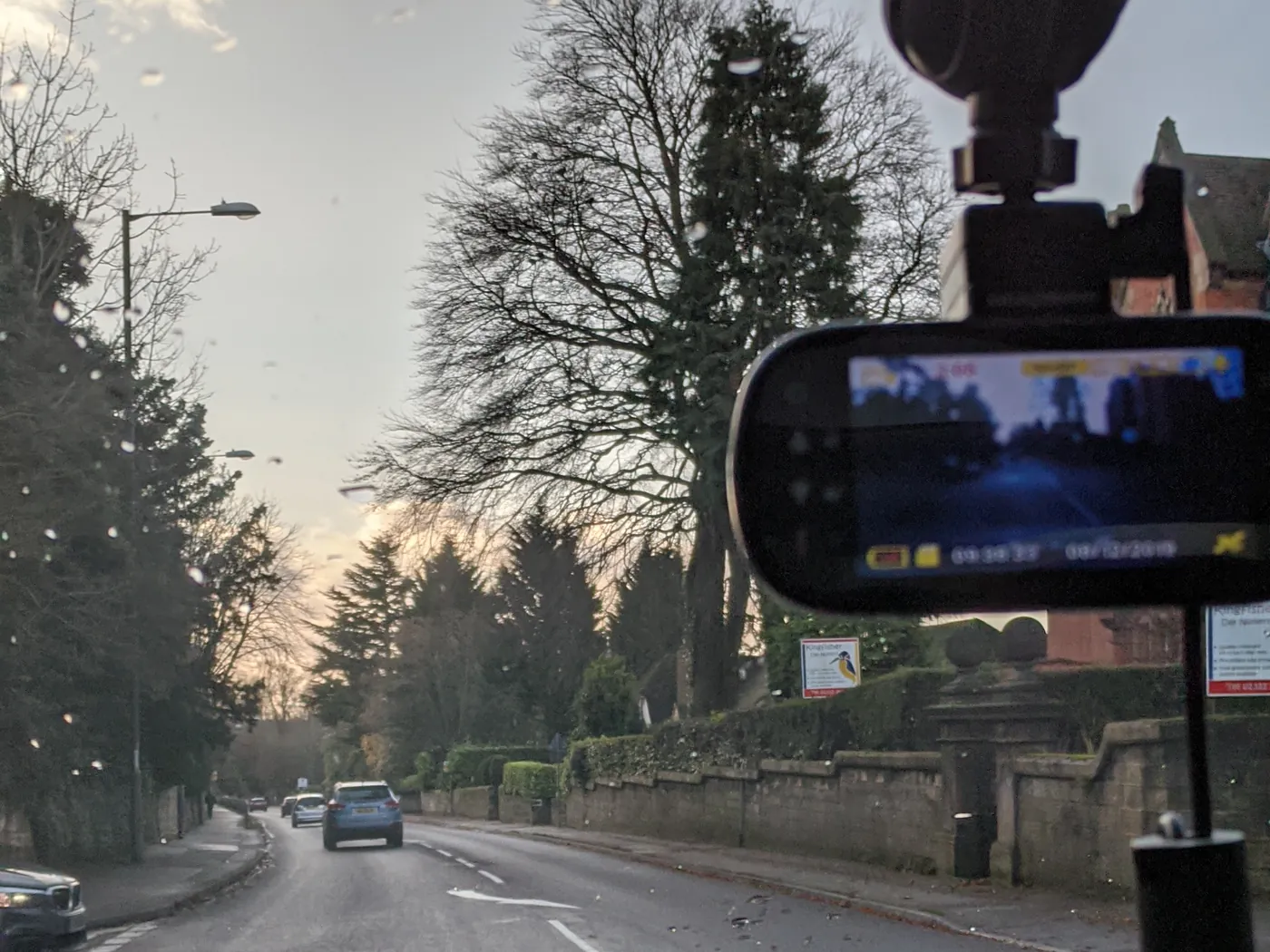
Learn which specs change picture quality, storage, and reliability before you shop.
Most dash cams can be installed in an afternoon with a clean windshield and a bit of cable care.
Know how footage can help with a claim or a police report, and how to save a file before it is overwritten.
After an incident
How staged 'crash-for-cash' collisions work, how video has been used in real cases, and how a dash cam can help you document what happened — without inventing statistics.
Buying guides
How to decide between a single front dash cam and a front-and-rear kit, including wiring, storage, and the situations where a second camera is worth the extra work.
After an incident
How dash cam video can support a fault discussion, an insurance claim, or a police report after a collision — and what a camera cannot prove on its own.
Installation
A careful, tool-light walkthrough for mounting a dash cam, routing the cable, and powering it from a 12V socket or a fuse box — plus the mistakes that cause loose mounts and mystery power drain.
After an incident
How parking-mode dash cam footage can help after a parking-lot hit-and-run, vandalism, or a break-in — and what the camera needs in order to catch anything useful.
Buying guides
A clear guide to dash cam features that actually matter — resolution, field of view, parking mode, power, storage, and night performance — without fake scores or invented prices.
How-to
A calm checklist for saving dash cam footage after a collision or close call, including how to protect the file, what notes to take, and how to share a clip without losing it.
Features
What actually improves night-time dash cam footage — sensors, exposure, HDR, mounting, and the limits of marketing language — plus how to judge sample videos fairly.
How-to
A plain-language overview of U.S. recording-consent rules and windshield mounting restrictions for dash cams, with links to official sources. This is not legal advice.
After an incident
How staged 'crash-for-cash' collisions work, how video has been used in real cases, and how a dash cam can help you document what happened — without inventing statistics.
How-to
A practical process for locking, copying, backing up, and sharing dash cam video with an insurer or the police without losing the original file.
Buying guides
What a front camera, a rear camera, and an interior cabin camera can actually document after a crash, a hit-and-run, or a dispute inside the car.
Buying guides
How to decide between a single front dash cam and a front-and-rear kit, including wiring, storage, and the situations where a second camera is worth the extra work.
After an incident
How dash cam video can support a fault discussion, an insurance claim, or a police report after a collision — and what a camera cannot prove on its own.
Installation
A careful, tool-light walkthrough for mounting a dash cam, routing the cable, and powering it from a 12V socket or a fuse box — plus the mistakes that cause loose mounts and mystery power drain.
Features
A plain-language explanation of dash cam parking mode, including motion and impact detection, power requirements, battery protection, and when the feature is worth installing.
After an incident
How parking-mode dash cam footage can help after a parking-lot hit-and-run, vandalism, or a break-in — and what the camera needs in order to catch anything useful.
Buying guides
A clear guide to dash cam features that actually matter — resolution, field of view, parking mode, power, storage, and night performance — without fake scores or invented prices.
Features
How dash cam loop recording works, why high-endurance memory cards matter, and when cloud backup is worth considering — without treating either option as a complete solution.
Installation
The trade-offs between plugging a dash cam into a 12V socket and hardwiring it to a fuse box, including parking mode, battery protection, and when to hire an installer.