


How to choose a dash cam in 2026
A useful dash cam is the one whose files you can still find after something happens. Start with the job, then match a camera to it — not the other way around. For a broader feature walkthrough, see our practical buying guide.
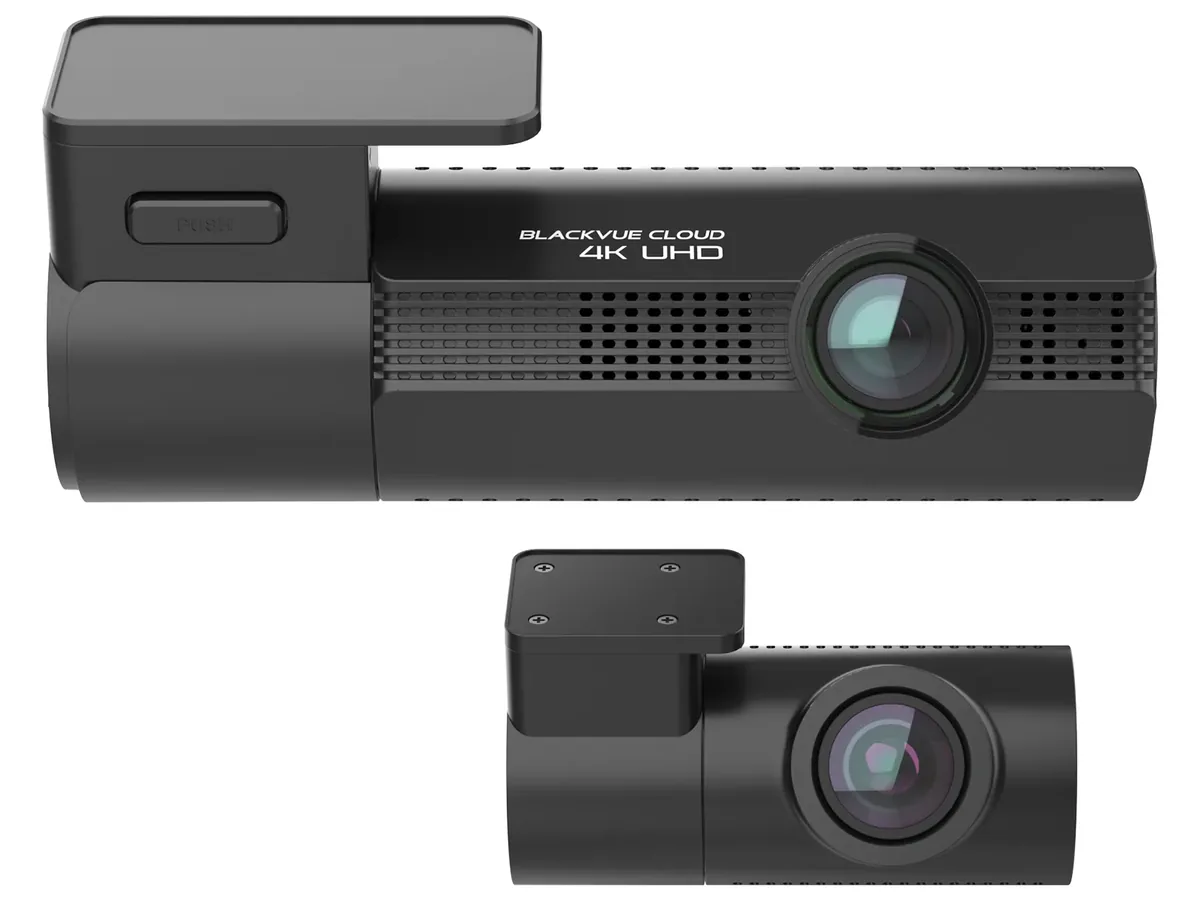
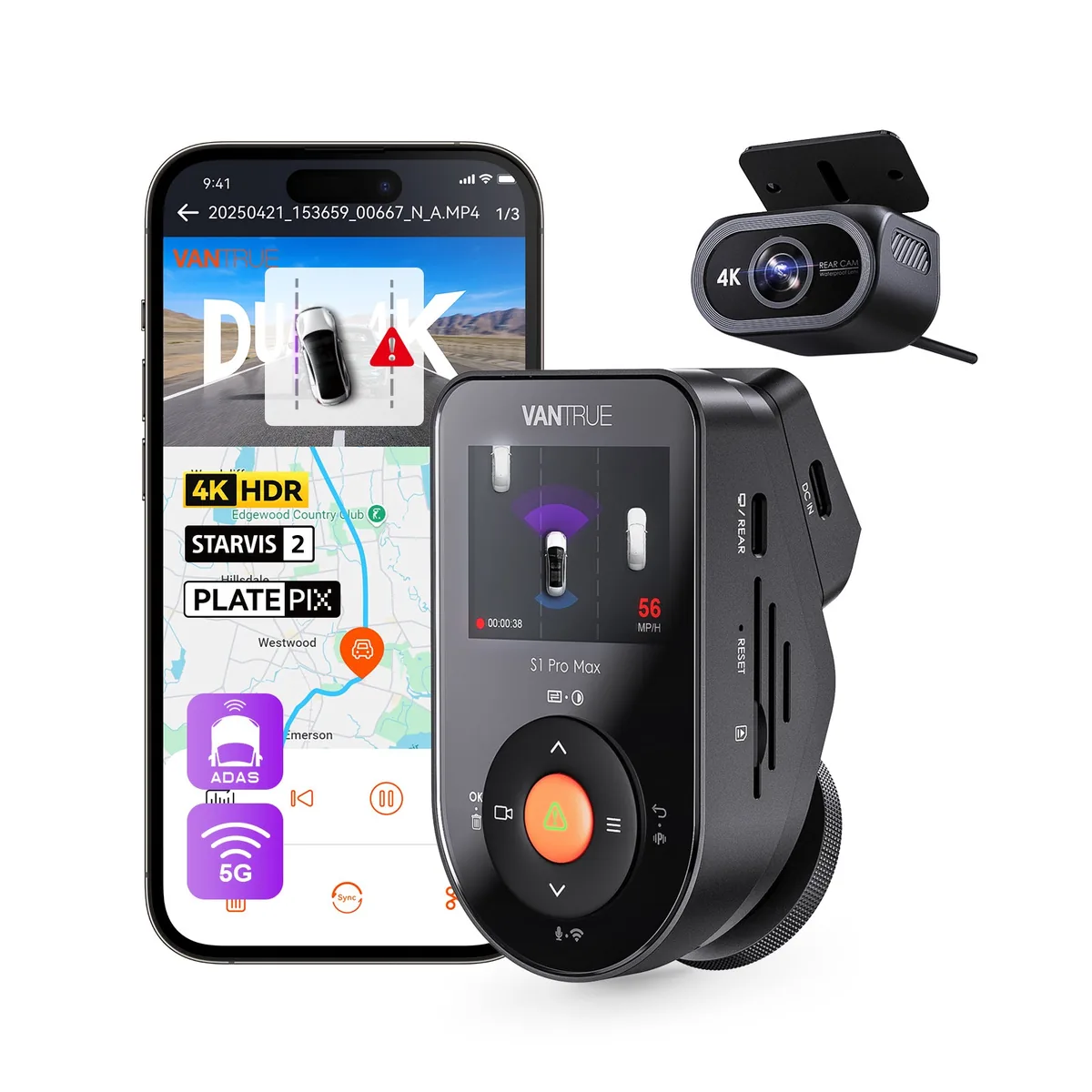
Front only, front and rear, or three channels. A single front camera documents the road ahead, lights, and much of an intersection. A rear camera is what usually captures a rear-end collision or a plate that only appears as a car recedes. A cabin camera is for rideshare and in-car disputes, and it comes with privacy homework. We walk through those trade-offs in front, rear, and interior dash cams.
Resolution is not the whole picture. 4K can make a distant plate easier to read, but only with enough light, a stable mount, and a clean windshield. Night performance, HDR, and a moderate field of view often matter as much as the number on the box. See how to choose a dash cam for night driving.
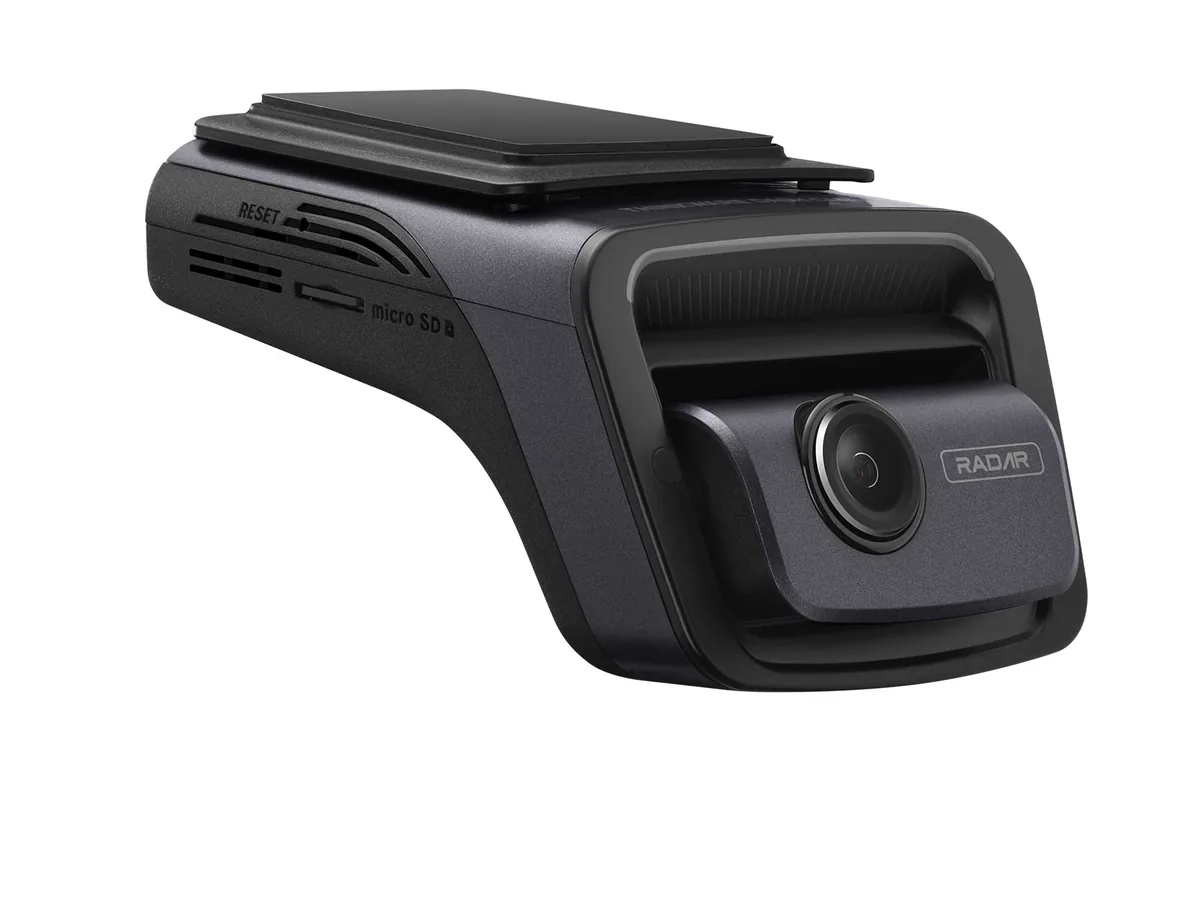
Parking mode is a system, not a switch. Most of the cameras above can watch the car after you leave, but nearly all of them need constant power — usually a hardwire kit with a low-voltage cutoff. Radar or low-power impact modes (as on the Thinkware U3000 or VIOFO A329S) are specifically aimed at vandalism, hit-and-runs, and break-ins. Read parking mode explained before you assume a 12V socket will do the job.
Storage and file handling. Loop recording will overwrite unlocked footage. Use a high-endurance microSD card in the capacity the maker supports, and practice exporting and sharing a clip before you need it for an insurer or a police report. After a collision, a file is only useful if it still exists; see how dash cam footage helps after an accident.
Mounting and recording rules. A compact camera placed high, behind or beside the mirror, is the usual starting point, but windshield rules and audio-consent laws vary by state. This is not legal advice; start with our overview of U.S. recording and mounting rules. Cabin audio is the part that most often creates problems.
Fraud and odd collisions. A camera will not prevent a staged crash, but a front-and-rear record can make a false story harder to maintain. If a collision feels wrong, stay safe, preserve the file, and read dash cams and crash-for-cash fraud.
Prices on this page are approximate ranges as of November 25, 2026, taken from official stores and recent U.S. listings. Kits, accessories, and street prices change. Confirm the exact bundle — especially on models sold in 1-, 2-, and 3-channel versions — before you buy.